- Whatsapp: +8618815096332
- Email: [email protected]


The selected raw materials should be blown film grade polyethylene resin particles containing an appropriate amount of lubricant to ensure the openness of the film.
The melt index (MI) of resin particles should not be too high. If the MI is too high, the viscosity of the molten resin will be too low, the processing range will be narrow, the processing conditions will be difficult to control, and the film-forming properties of the resin will be poor, making it difficult to process into a film; In addition, the melt index (MI) is too high, the relative molecular weight distribution of the polymer is too narrow, and the strength of the film is poor. Therefore, resin raw materials with lower melt index (MI) and wider relative molecular weight distribution should be selected to meet the performance requirements of the film and ensure the processing characteristics of the resin. Blow molded polyethylene film generally uses polyethylene raw materials with a melt index (MI) ranging from 2 to 6g/10min.
Key points of blow molding process control
The process flow of blown film is roughly as follows:
Feeding material into hopper: plasticization extrusion → inflation traction → air ring cooling → herringbone clamp → traction roller traction → corona treatment → film winding
However, it is worth noting that the performance of blown film is closely related to production process parameters. Therefore, in the blown film process, it is necessary to strengthen the control of process parameters, standardize process operations, ensure smooth production, and obtain high-quality film products.
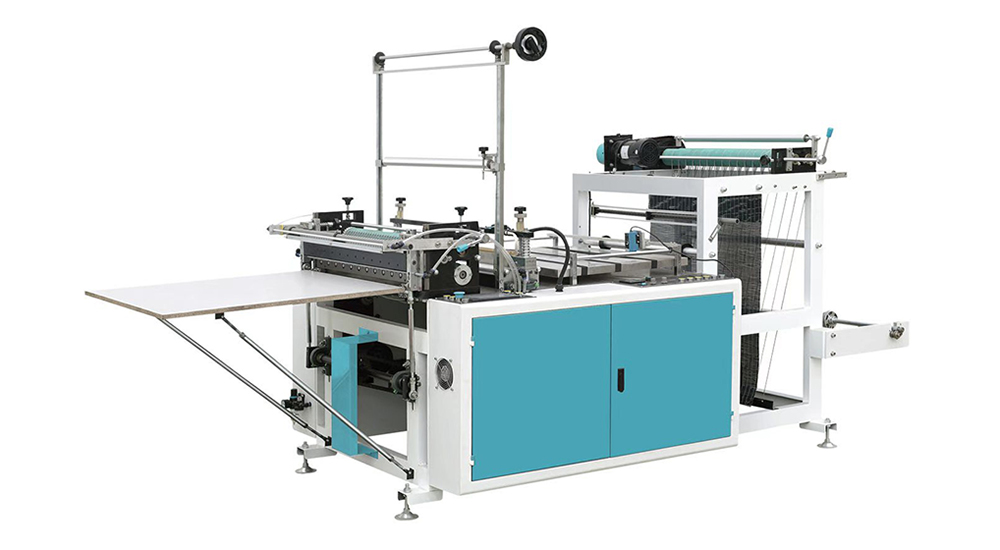

Making Machine&Hooray;
Privacy Policy | SiteMap
Copyright Ruian Hooray Machinery Co., Ltd